Natasha Romanova.
The Coming of Winter
A book exploring childhood by Deaf artist Natasha Romanova.
The Coming of Winter is a joint project by
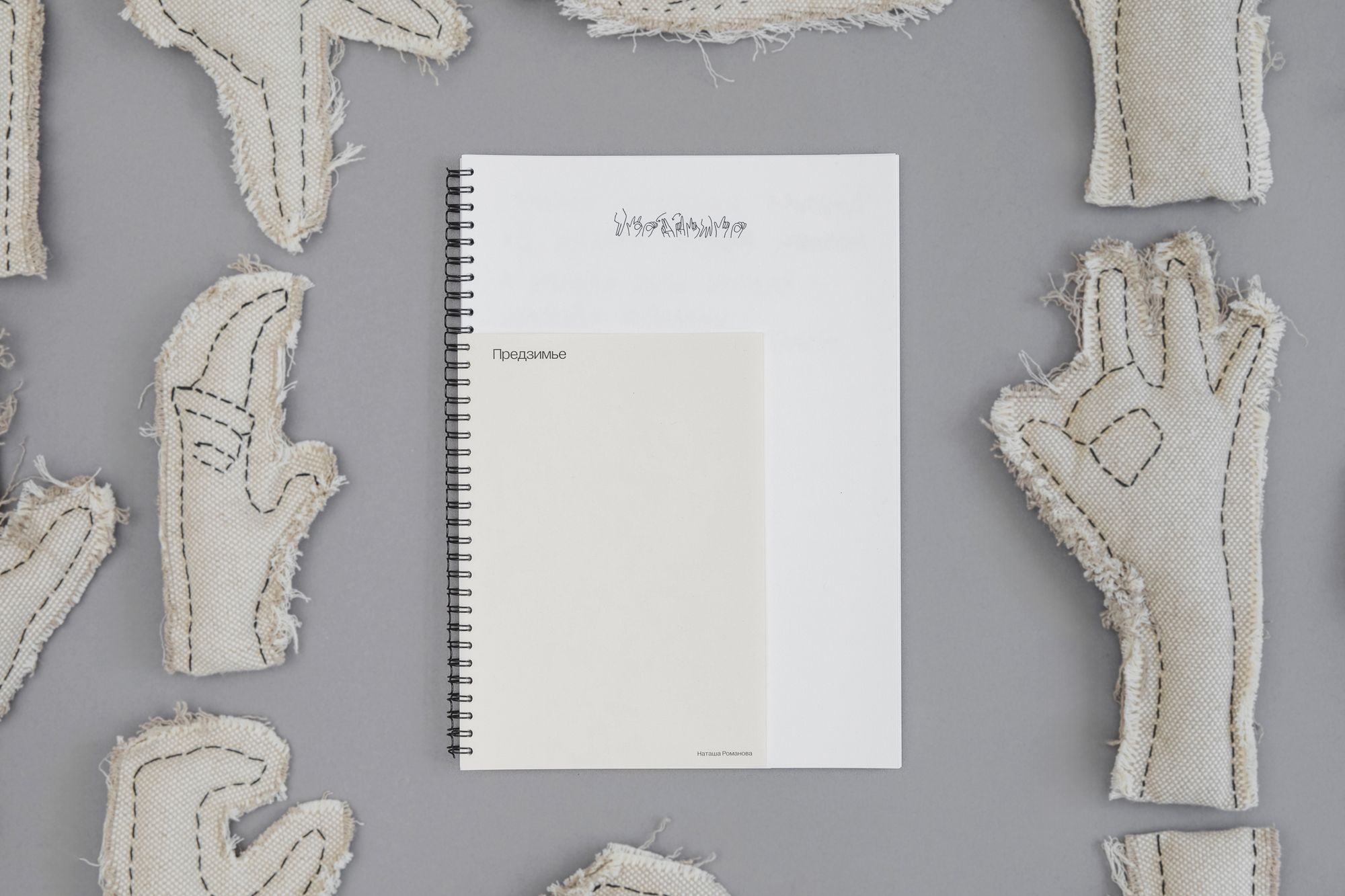
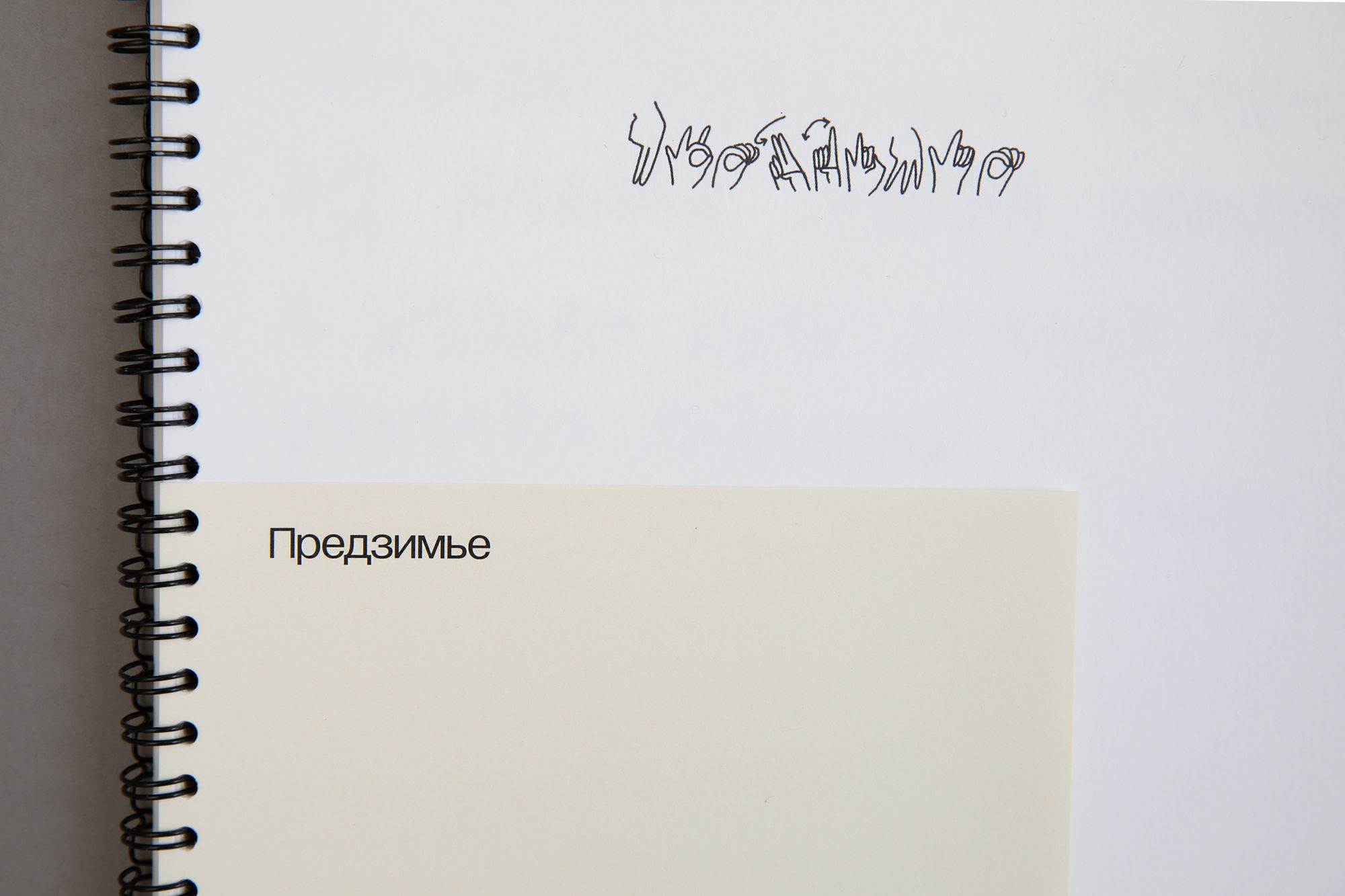
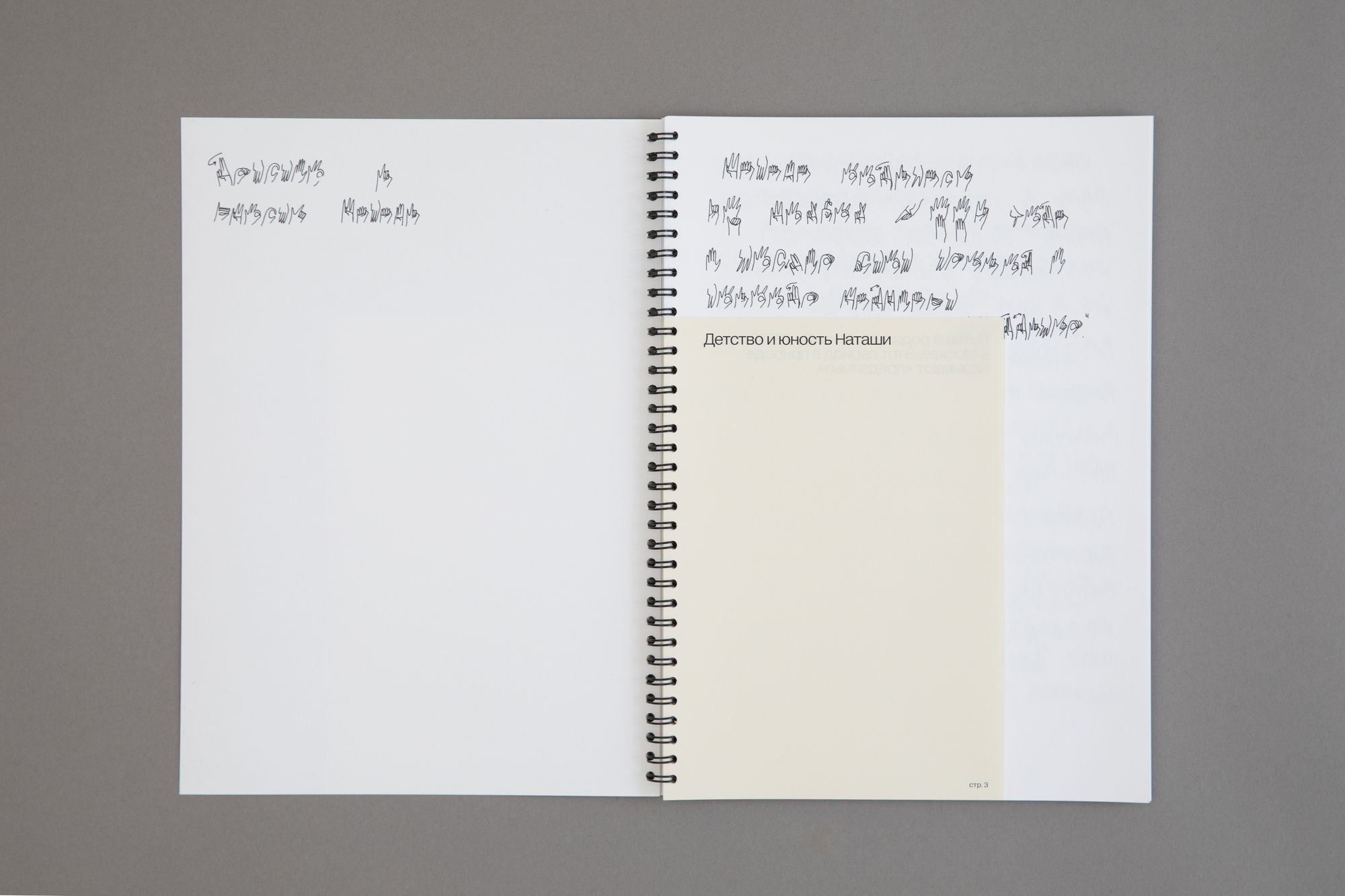
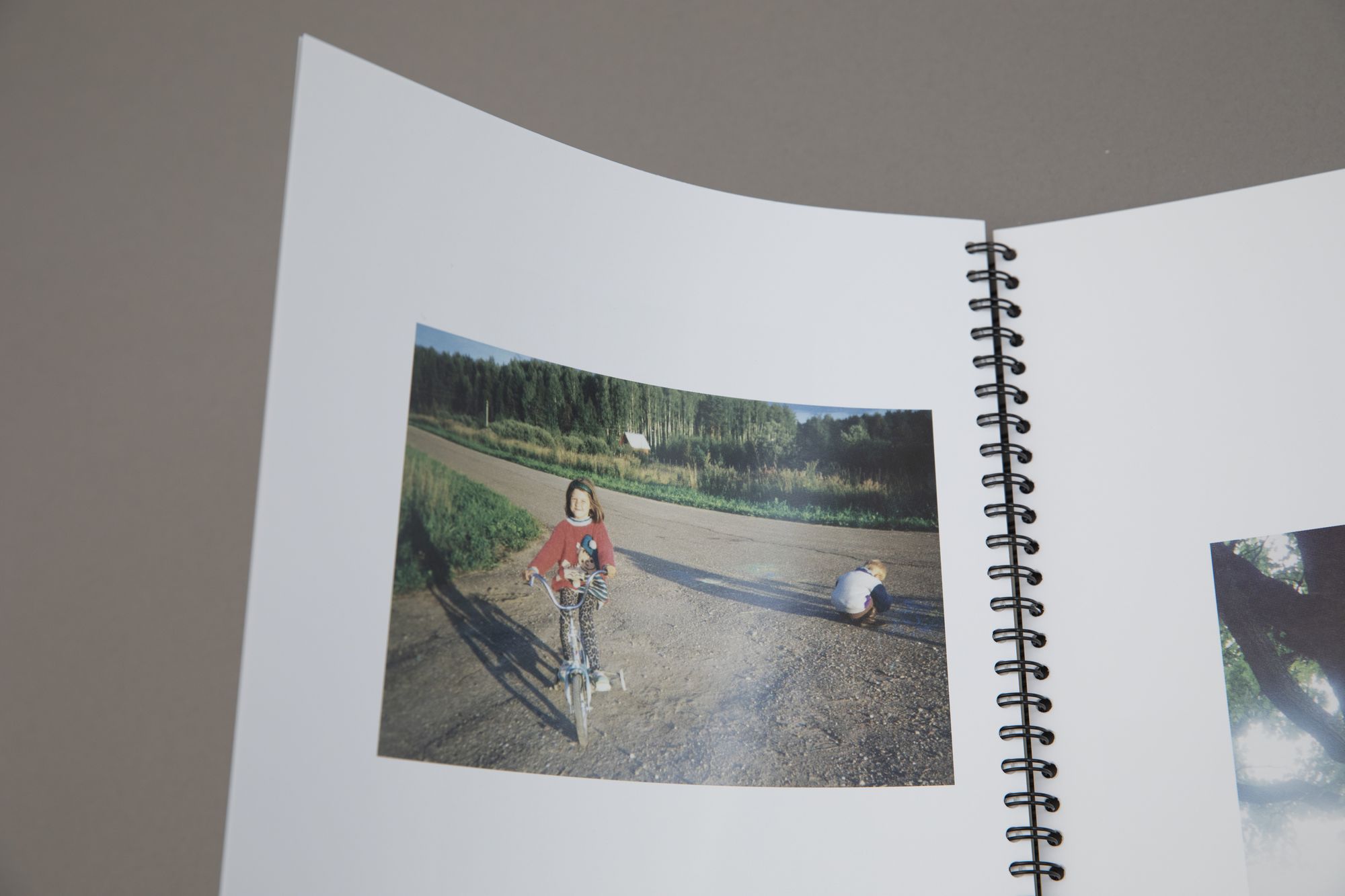
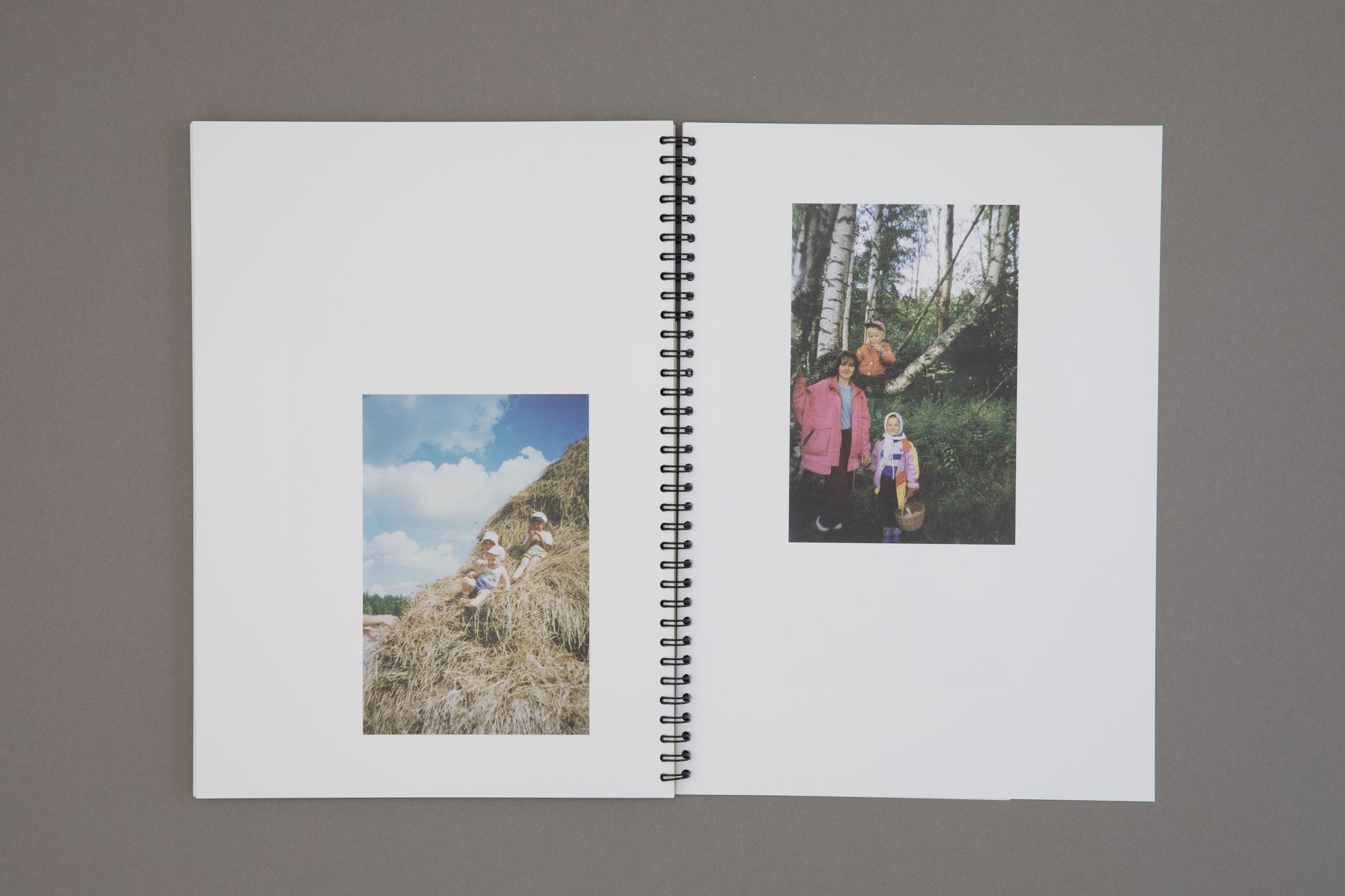
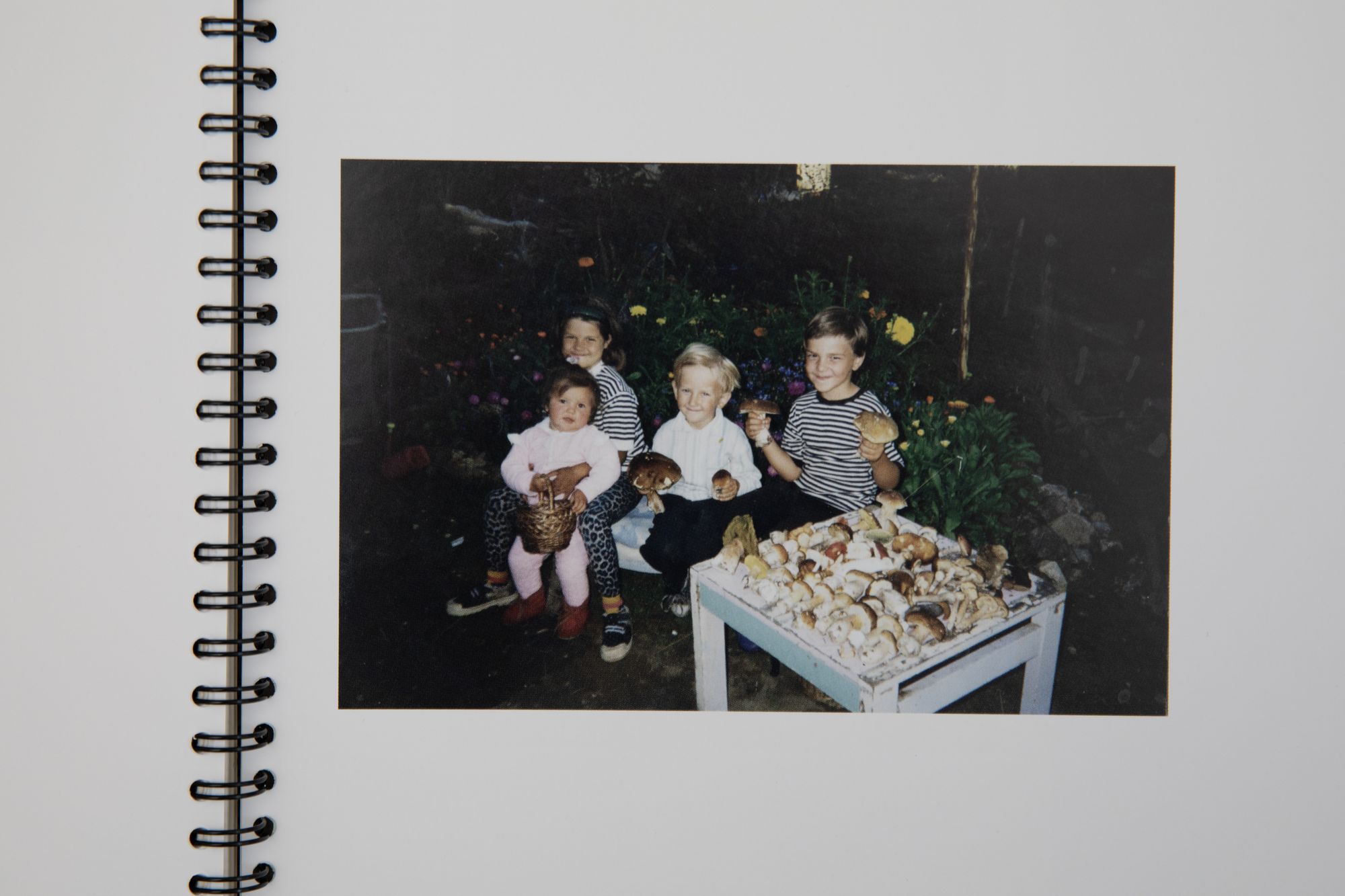
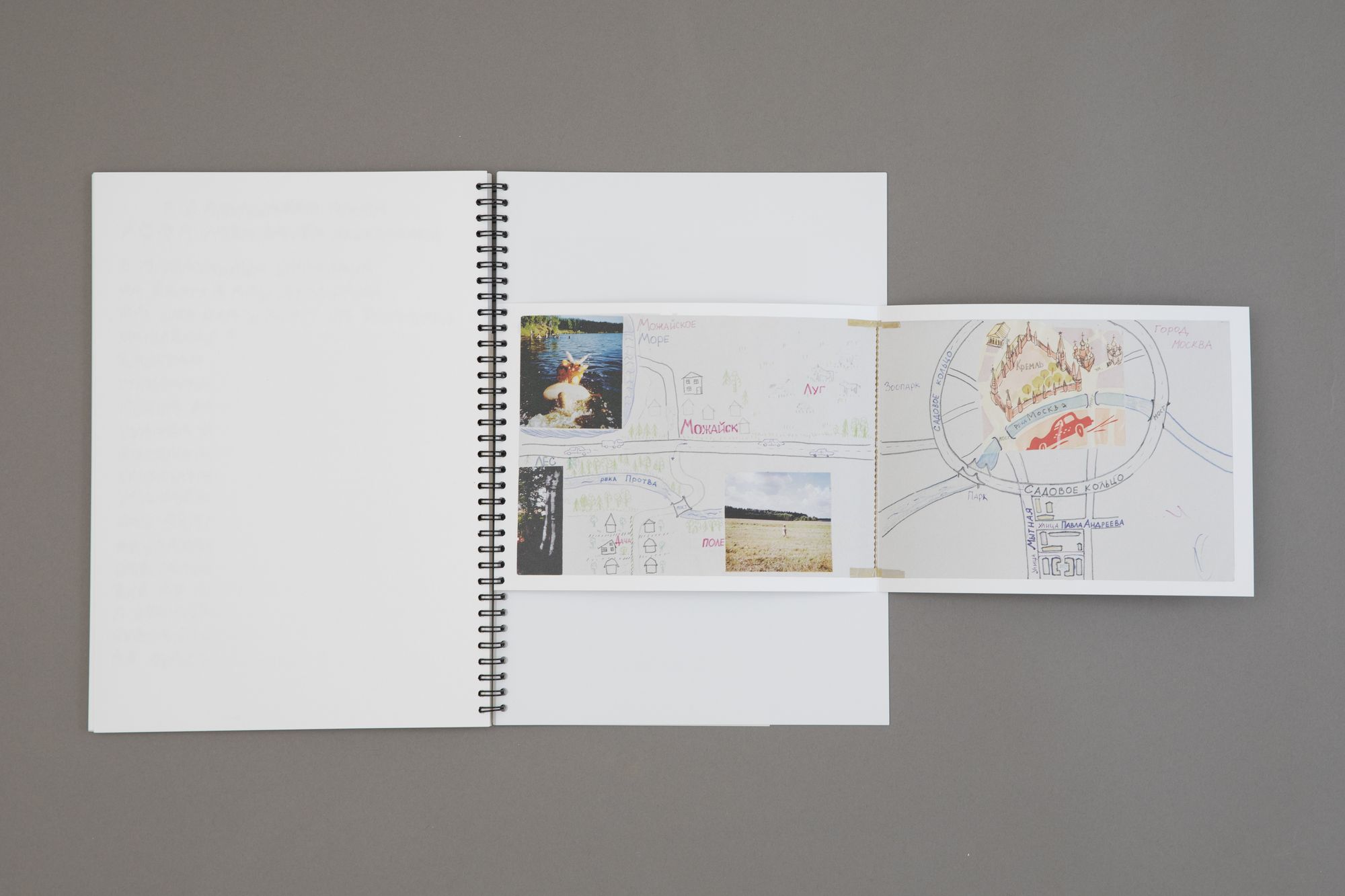
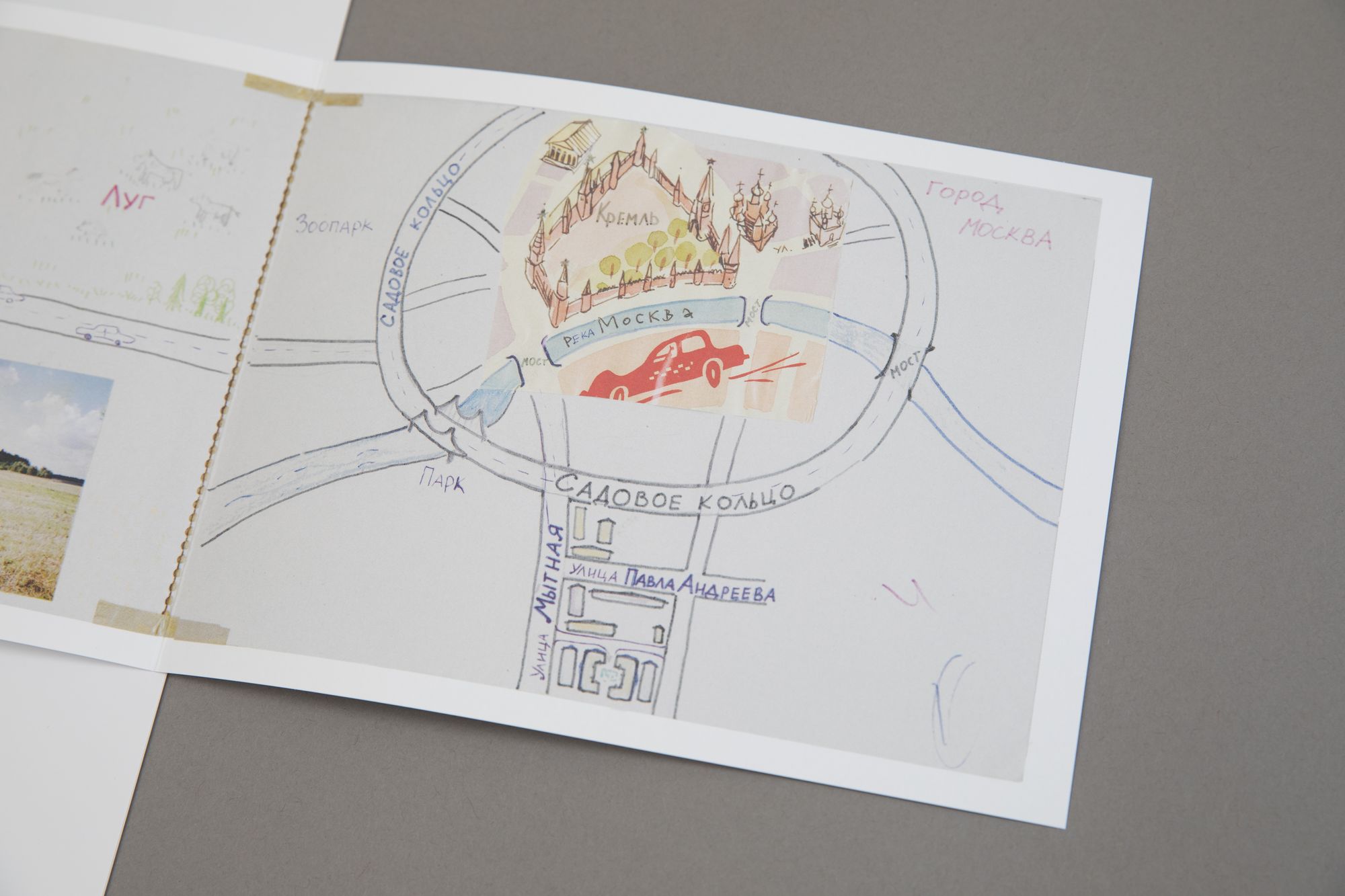

All photos: Ruslan Shavaleev
Natasha Romanova (b. 1992) is a Deaf artist, a 2019 resident of the Garage Museum Studios, and a teacher working with deaf and hard-of-hearing children. Her practice engages with the visual structure of language to transform it into a gestural “script” and addresses themes of identity and embodiment.
This artist’s book does not have an instructional purpose, and what matters is not so much decoding and immersing oneself in the process of reading the dactylics on the surface of the page, but sensing the difference between the flow of the two narratives, noticing something distinct in each of the two worlds. In one of them, spoken language becomes a visual sign; in the other, the image of the visual sign moves from two-dimensional to three-dimensional space. Natasha modifies this process, transferring the final sign-gesture onto the page, playing with the meaning of the text and its perception, lending greater weight to her grandmother’s words and making them more poignant.
In The Coming of Winter, fingerspelling lays the foundation for a visual narrative, a rare intersection of sign language and visual art. Signed speech cannot normally be captured in written form, but Romanova expands the possibilities of expression by creating handwritten “dactilemes.” The tactile, “handmade” quality of this edition is emphasised by its format—an A4 notebook bound with metal rings.
The Coming of Winter concludes with an afterword by Vladislav Kolesnikov, the hard-of-hearing Curator of Programmes for the Deaf Community at
This project is a rare example of the use of the Russian Sign Language fingerspelling alphabet in visual art and book publishing. It raises questions about the visibility of the deaf community, sign language as an expression of identity, and the possible forms that dialogue between generations and people with different backgrounds can take.
Managing Editor
Arina Fartukh
Editors
Vyacheslav Nemirov
Tamara Shatula
Design and Layout
Maria Vinogradova