If These Walls Were Water. Lina Bo Bardi
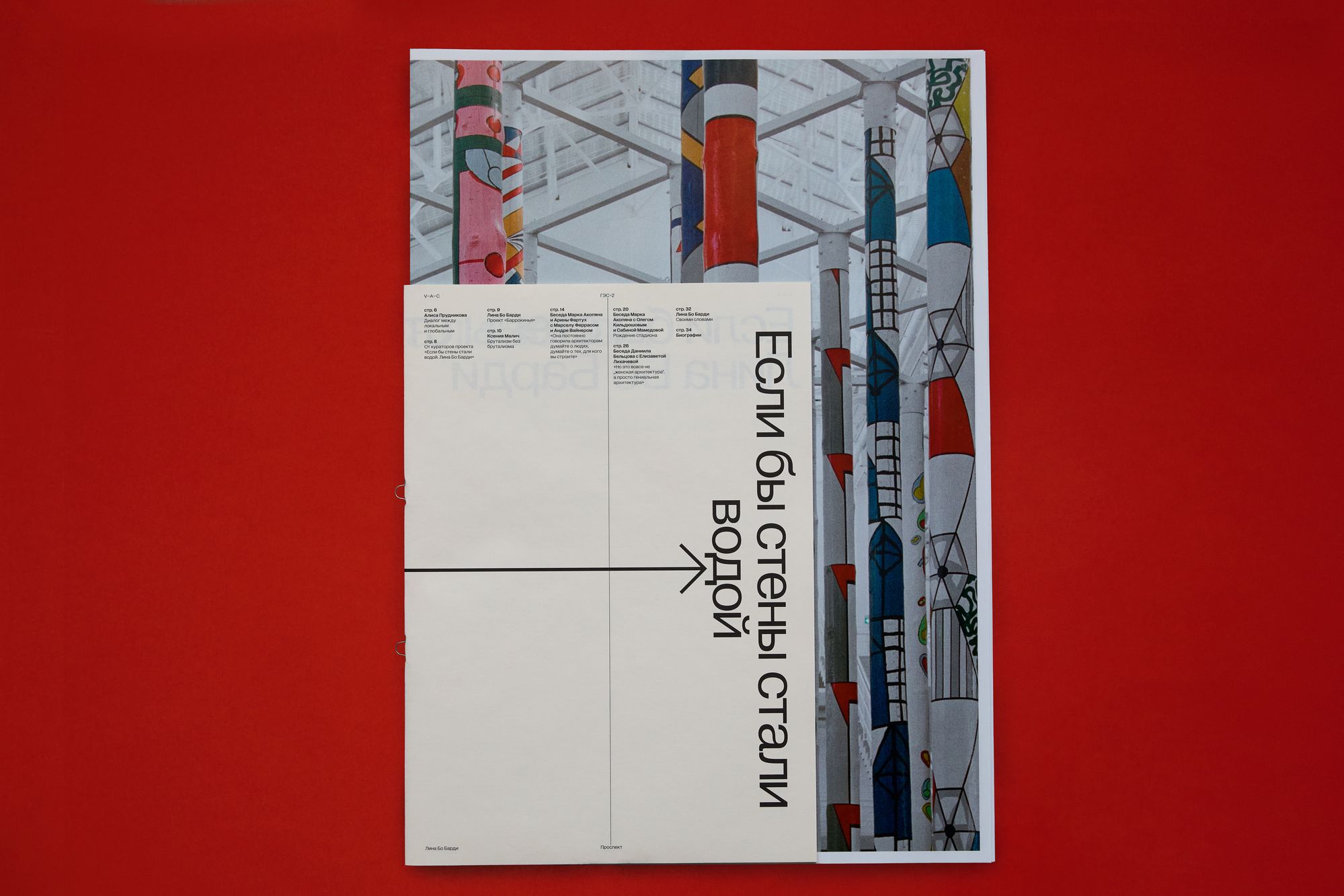
A publication to accompany the exhibition of the same name at the House of Culture.
If These Walls Were Water complements the international project of the same name presented as part of the
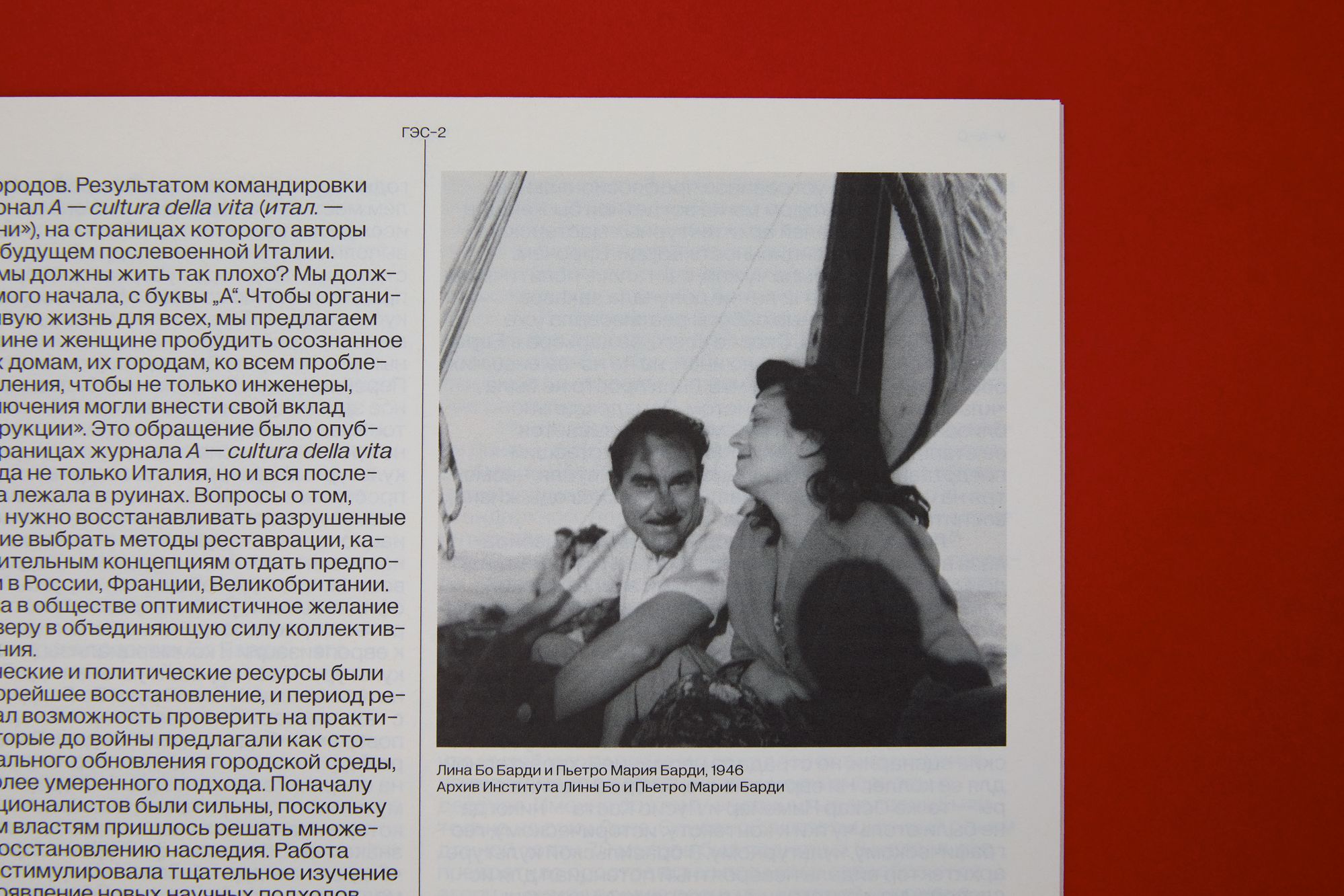
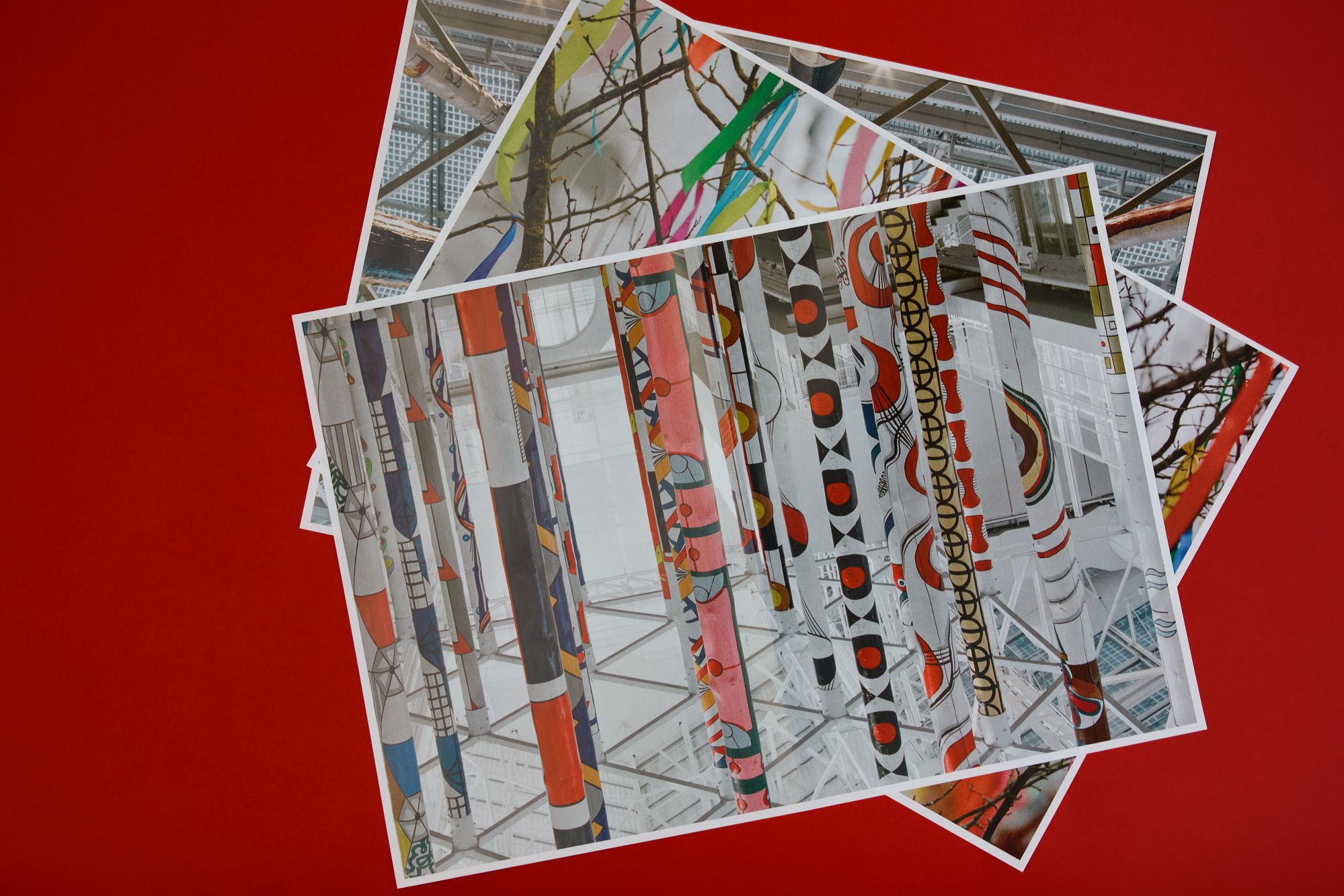
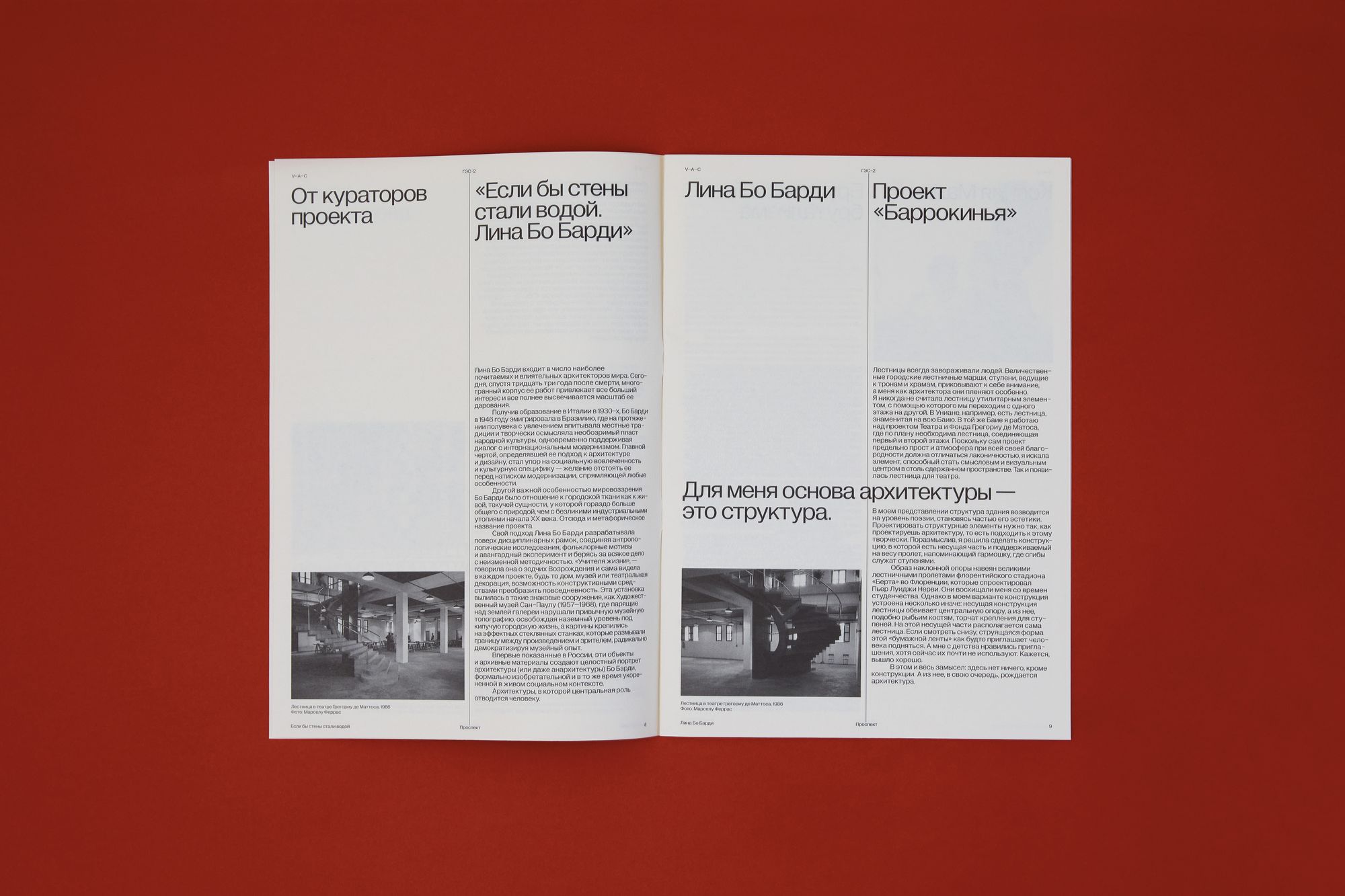
All photos: Ruslan Shavaleev
Lina Bo Bardi (1914–1992) was an Italian-Brazilian architect, designer, and theorist, and one of the key figures of Latin American modernism. Her landmark works include the Glass House (Casa de Vidro, 1951), the São Paulo Museum of Art (MASP, 1957–1968), the Sesc Pompéia cultural and sports complex (1982) in São Paulo, and the Solar do Unhão cultural complex in Salvador (1959–1963).
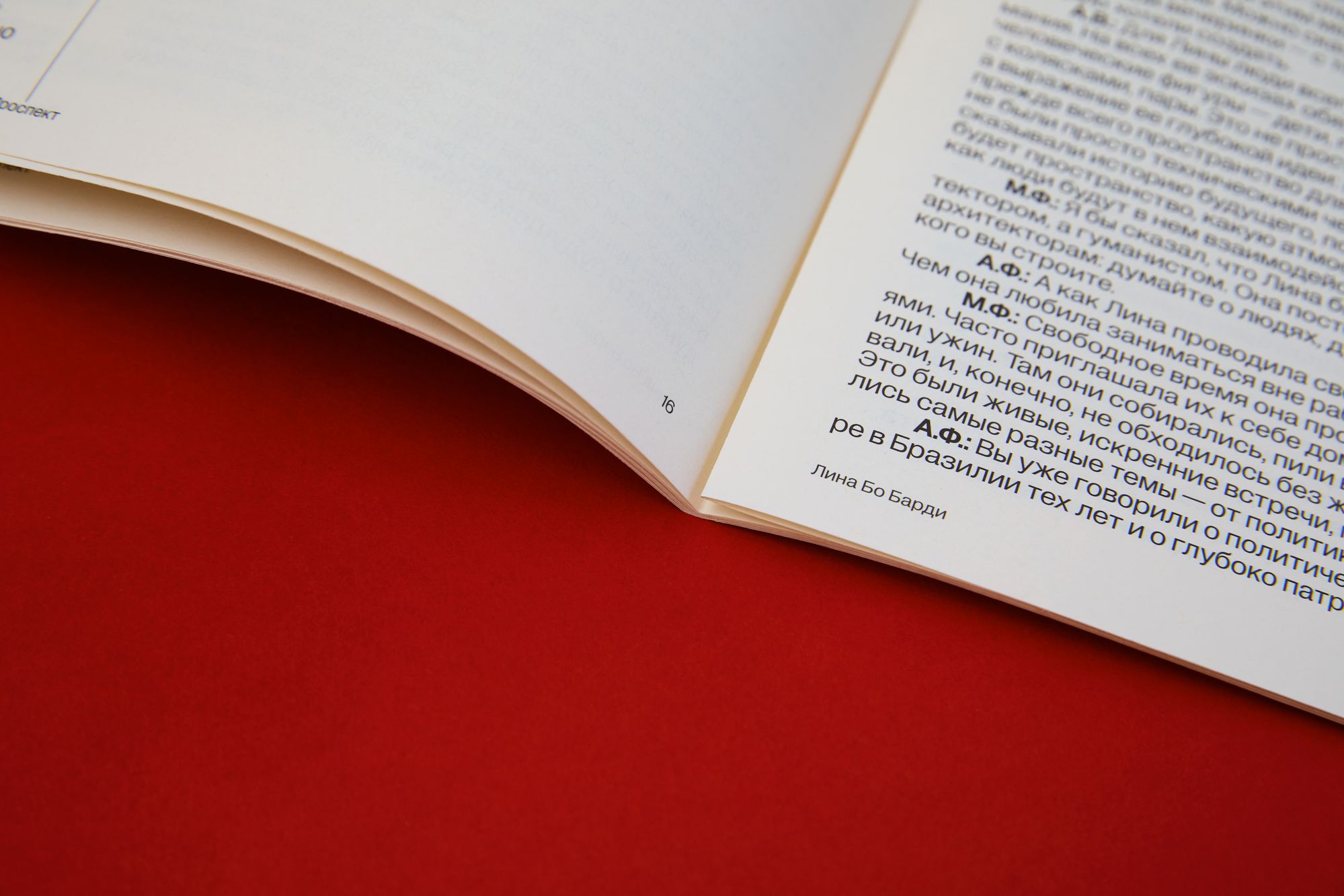
For Lina, people were always at the centre of everything. Human figures inevitably appeared in her sketches—children, elderly people, mothers with strollers, couples. This wasn’t simply decoration or artistic flourish, but an expression of her core belief: architecture is, above all, a space for life. Her drawings were never just technical plans; they told a story of the future, showing what a space would become, what atmosphere it would create, how people would interact within it.
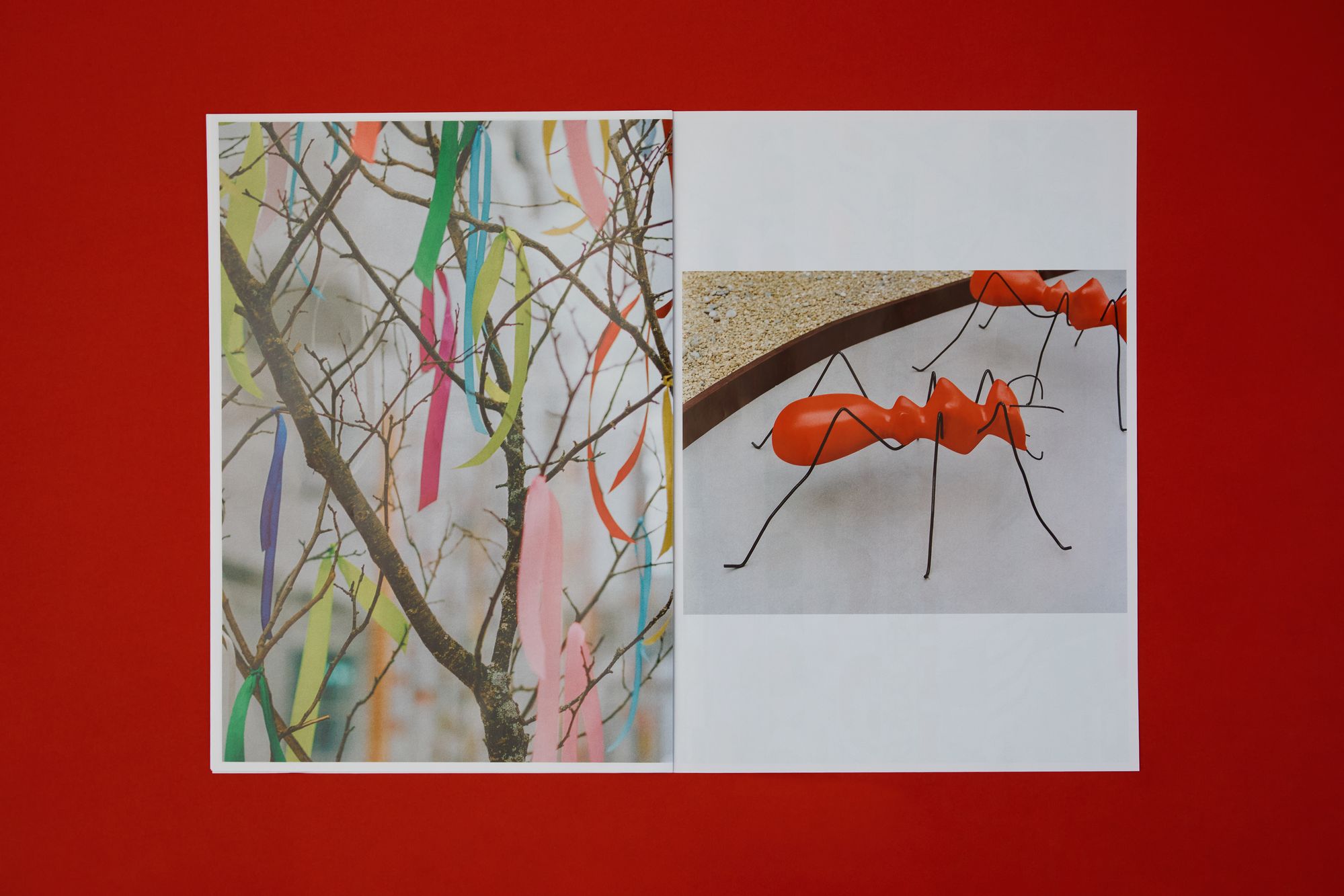
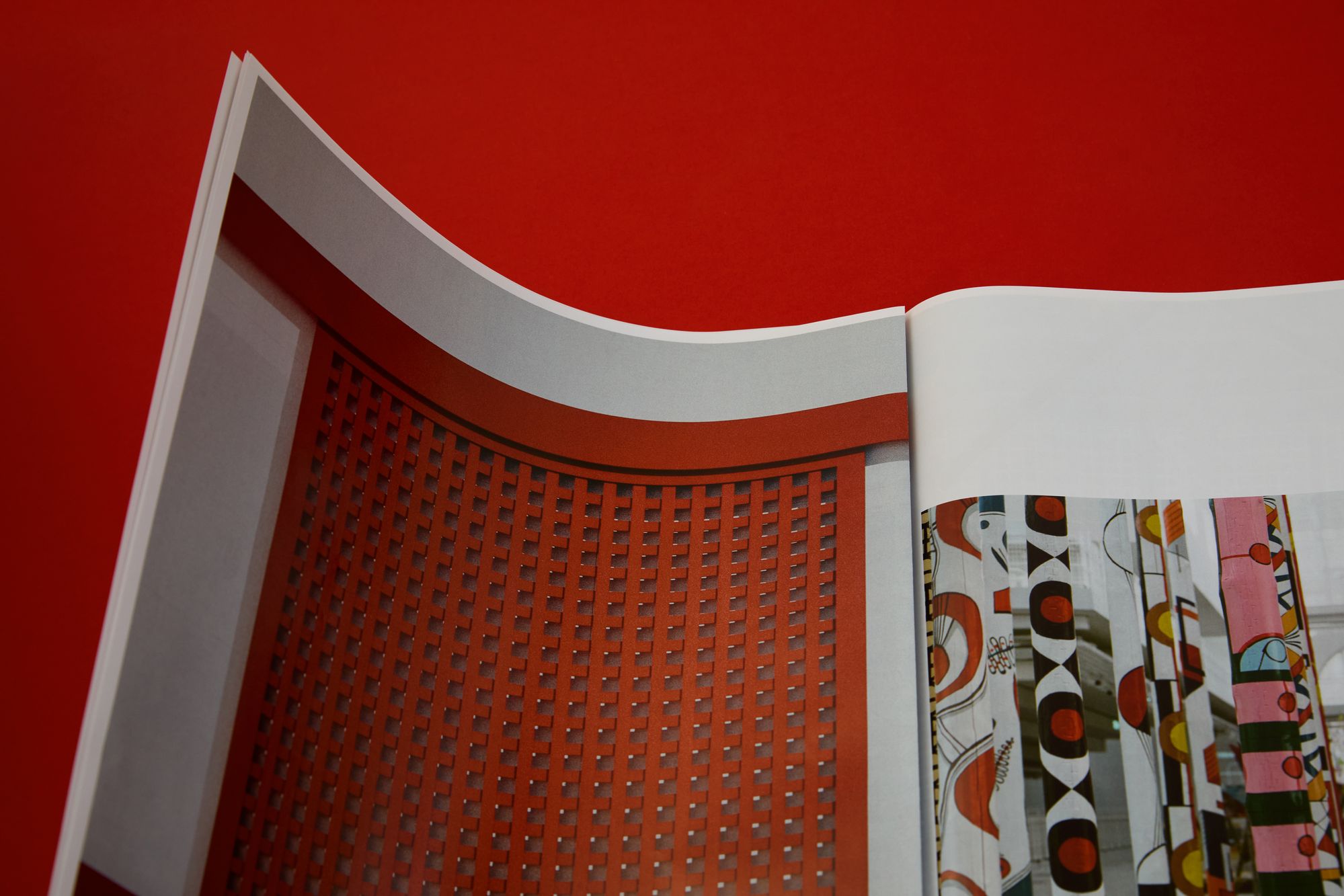
If These Walls Were Water explores Lina Bo Bardi’s creative method, which brought together anthropology, Brazil’s artistic heritage, and avant-garde experimentation. Above all, Bo Bardi’s architecture was defined by attention to human beings, to their cultural habits and everyday rhythms. Another important aspect of Bo Bardi’s approach was her relationship to nature, which she organically integrated into her architectural projects. The fluidity, sensuality, and sense of “airiness” in her buildings stood in contrast to the industrial utopias of the early twentieth century.
The
Editor and Compiler
Daniil Beltsov
Managing Editor
Vyacheslav Nemirov
Consultants
Mark Akopyan
Andrey Vasilenko
Russian Translation
Evgeniya Fomenko
Interviews
Mark Akopyan
Daniil Beltsov
Arina Fartukh
Design and Layout
Maria Vinogradova
Maria Kosareva