Maria Silina.
History of Art on Display. Museums of the RSFSR in the 1920s–1930s
The Formation of Soviet Museums in the Context of Global Museum History of the Early 20th Century.
The period indicated by Maria Silina in the title of her book is examined, on the one hand, as a “time of crisis” for museums in the RSFSR, and, on the other, as a stage for the emergence of avant-garde practices: original educational and excursion programs, creative appropriations of public space, daring exhibition solutions.
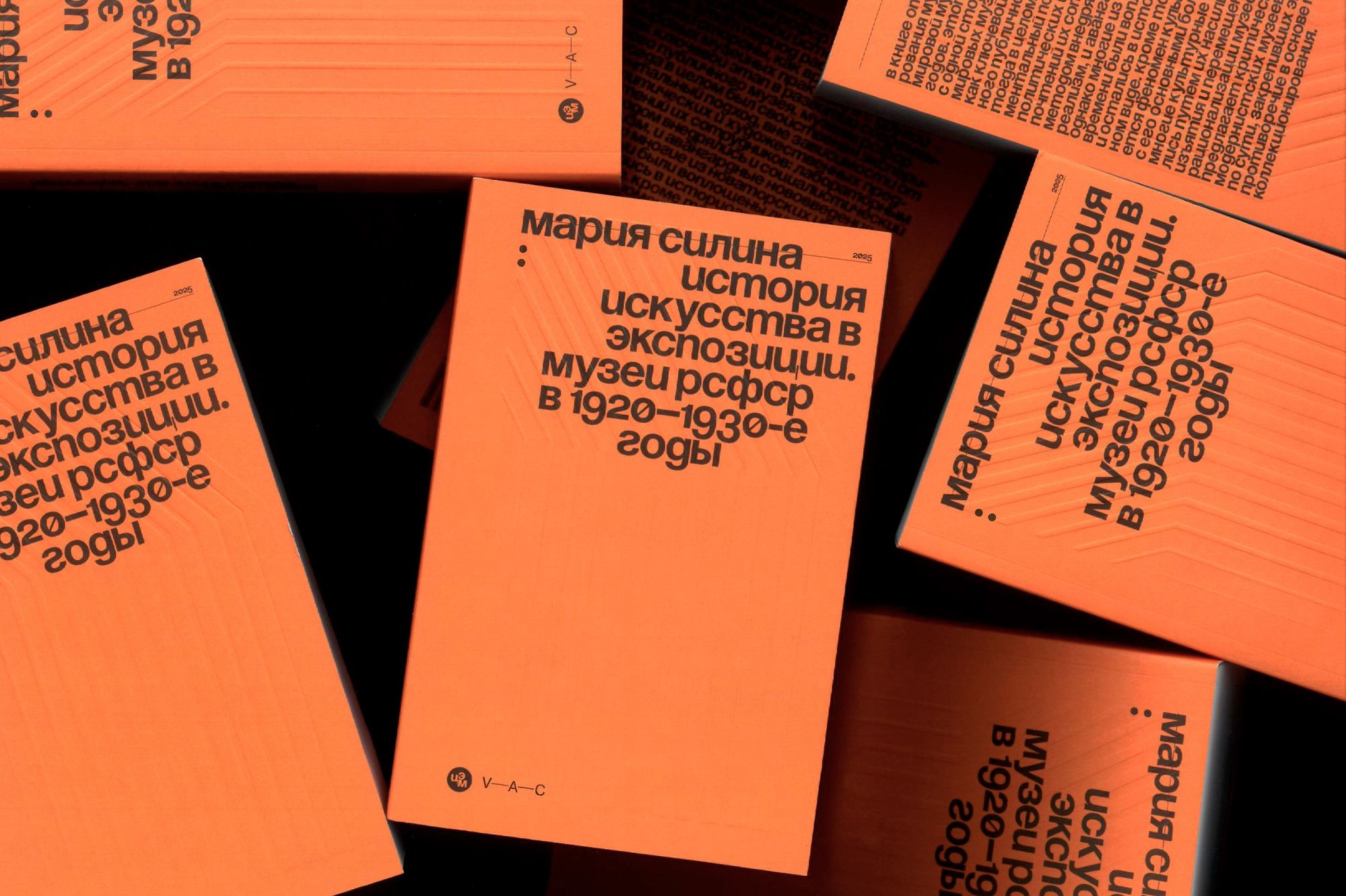
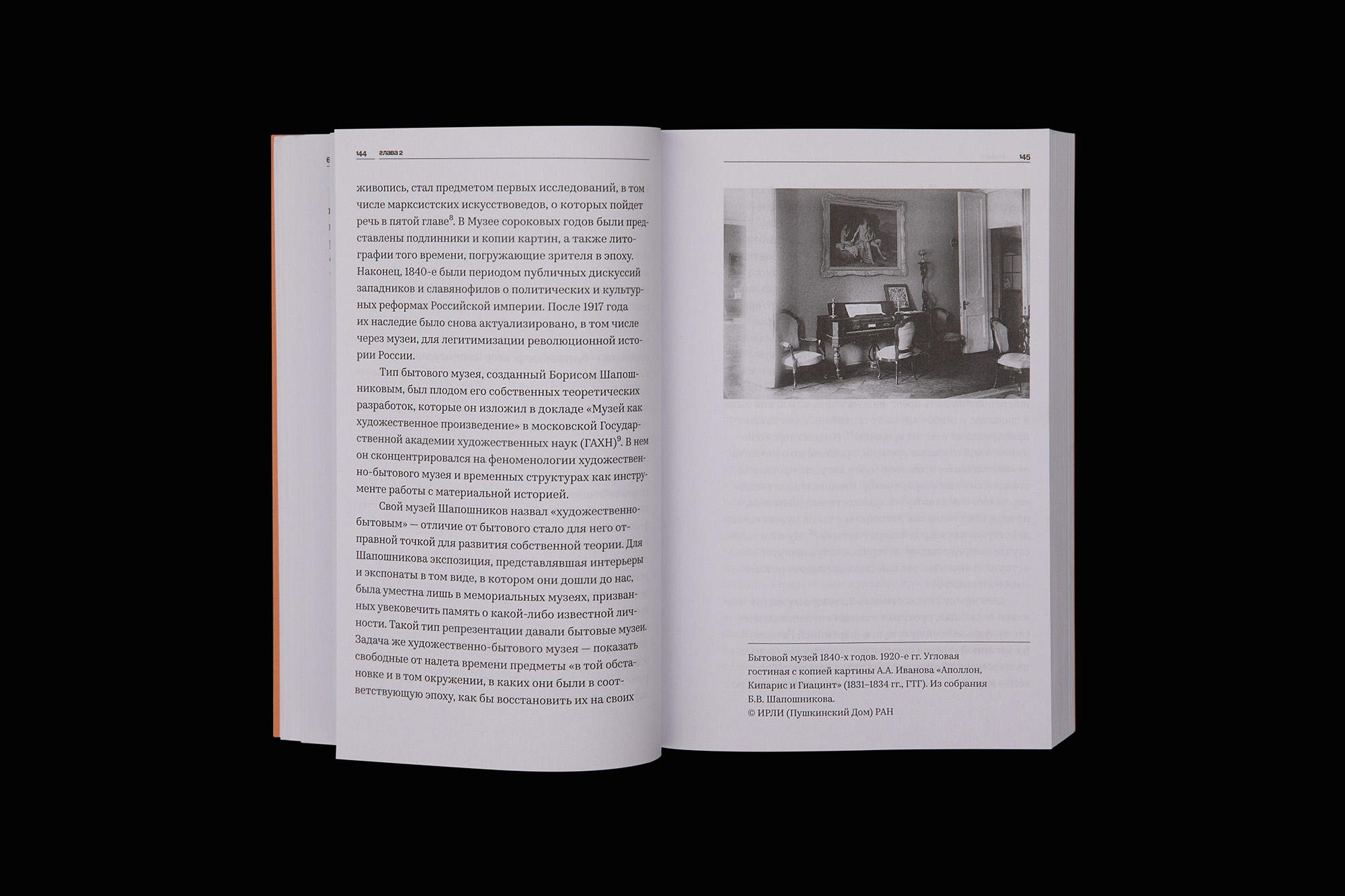
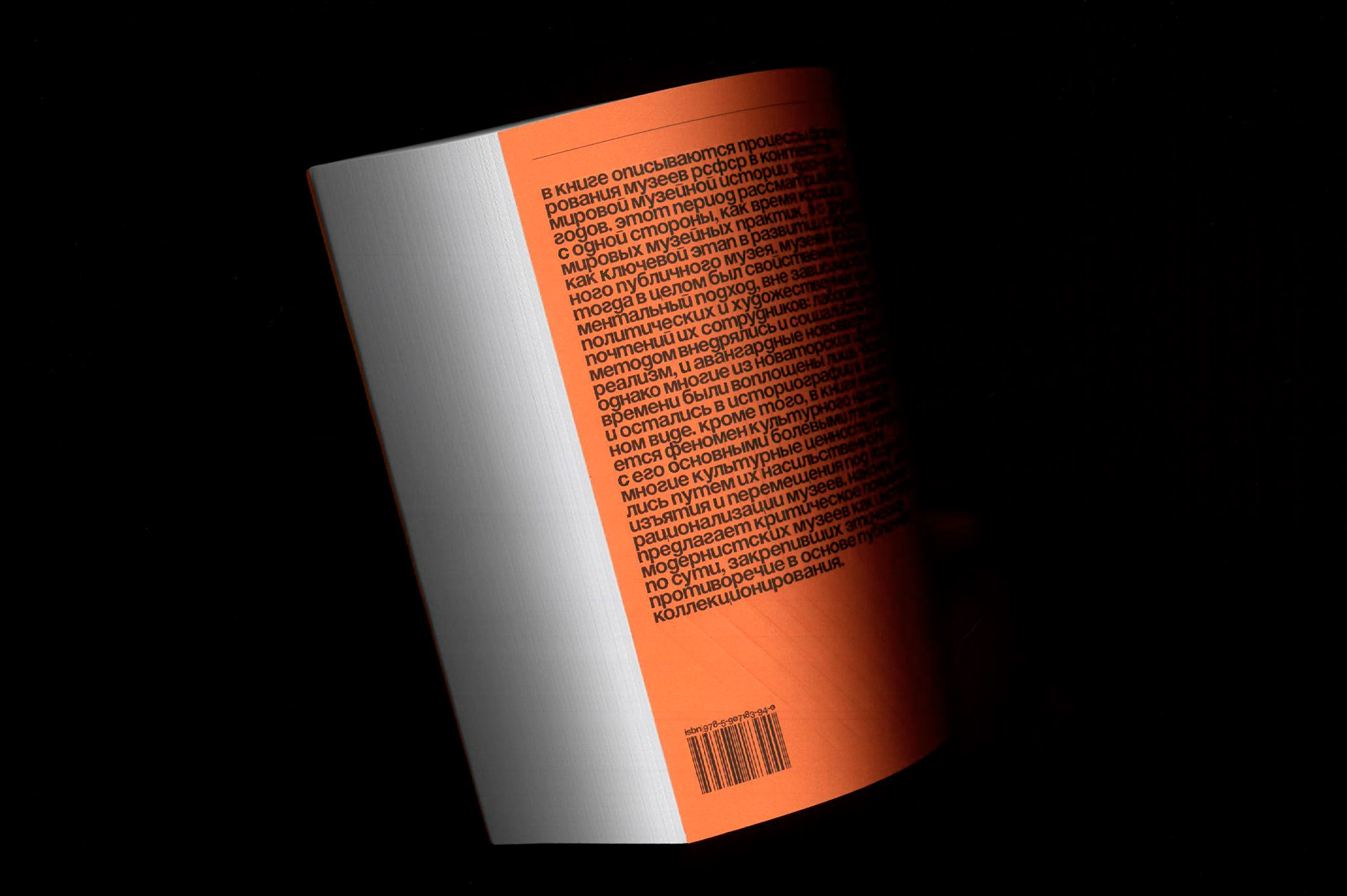
All photos: Ruslan Shavaleev
Maria Silina (b. 1982) is an art historian and museum studies scholar. She is a research fellow at Ruhr University Bochum (Germany) and Adjoint Professor at the Université du Québec à Montréal (Canada). Silina participates in several projects on the history of Soviet museums and art history, and is also engaged in digital humanities research.
Reflecting today on the impulses behind writing a history of Soviet museums—whose reputations have yet to be restored, with the exception of the avant-garde, successful in terms of the global museum market—one might rephrase Eric Naiman’s words: must we really think of museums that did not survive the repressions and the Second World War in the same way their critics and liquidators once described them? At the core of this book lies the conviction that the history of searches, as well as the history of failures, must be restored within historiography.
The narrative unfolds through a description of a large number of projects —innovative even by today’s standards—that arose during the 1920s and 1930s under difficult ideological conditions and which were only partially realized. Until quite recently, the history of Soviet museums has typically been studied in isolation from the global context due to the supposedly “totalitarian” logic of their existence. One of Silina’s book’s central aims, therefore, is to situate Soviet museological practices within the broader international currents of the era.
A recurring theme of the book is the system of heritage protection in the RSFSR and its critical points: during the mass nationalization that began in 1918, cultural objects were forcibly confiscated from their owners, subjected to compulsory relocation both within the country and abroad. These events remain a fraught and unresolved issue that continues to affect the Russian museum sphere to this day. Silina’s study also addresses the colonial character of Soviet museum activity, in which central authorities defined and controlled standards of practice in other republics.
Editors
Stanislav Naranovich
Olga Shpilko
Design
Lyosha Kritsouk
Layout
Ilyas Lochinov