Hal Foster.
Design and Crime (and Other Diatribes)
A new edition of Foster’s seminal book on the political economy of design, the marketing of culture, the rise of spectacular architecture, and the emergence of global cities.
In this book—the title of which alludes to Adolf Loos’s famous essay, “Ornament and Crime”—Hal Foster examines shifts in the cultural status of architecture, design, art, and criticism under contemporary capitalism. He argues that design has come to occupy a position of particular prominence, while art and art criticism have gradually receded into the background.

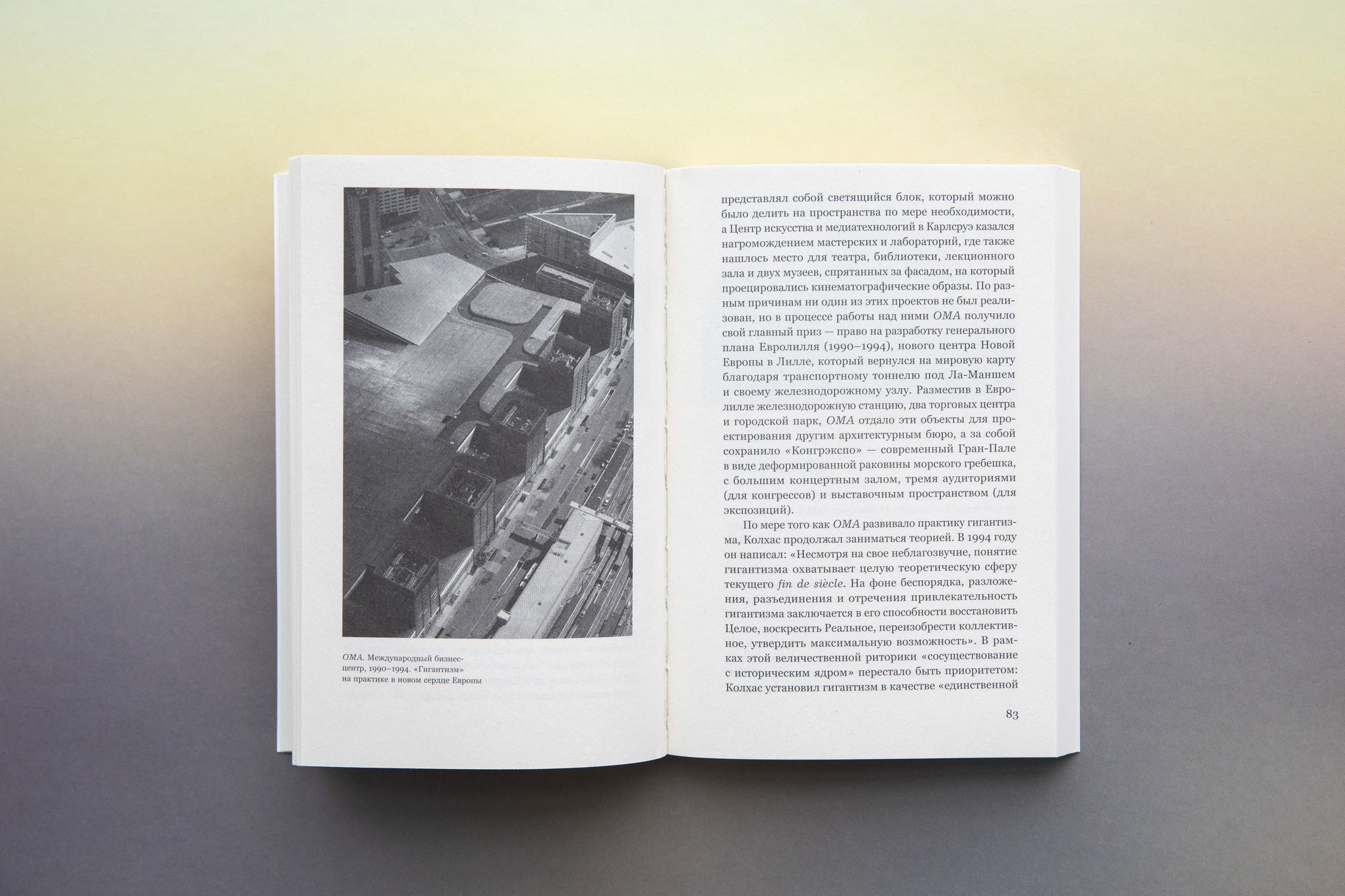

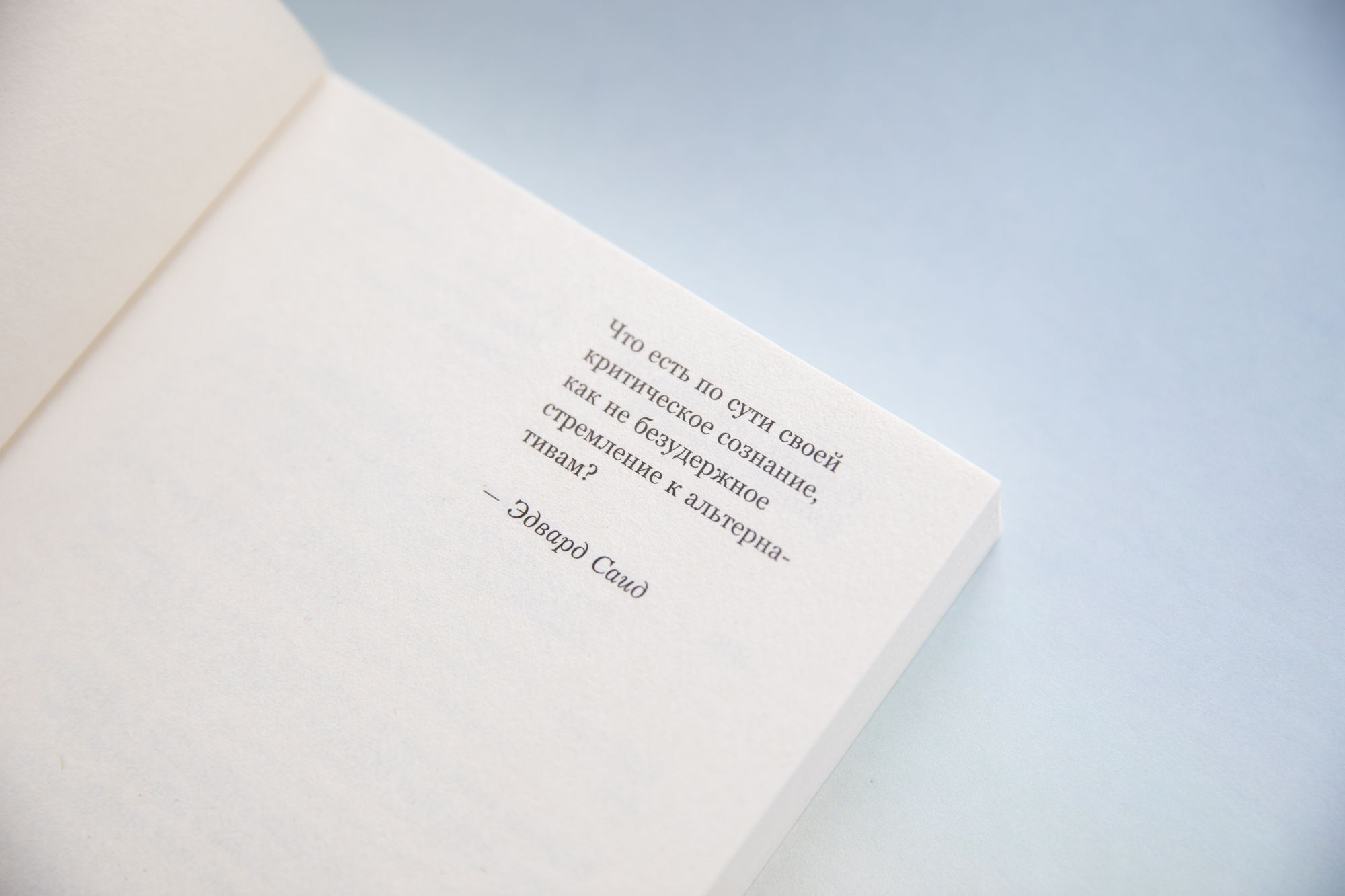

Photos: Anna Zavozyaeva
Hal Foster (b. 1955) is an American art critic and historian, Professor in the Department of Art and Archaeology at Princeton University, a member of the American Academy of Arts and Sciences, an editor of the October academic journal, and a co-founder of Zone Books.
A third reason for the inflation of design is the increased centrality of media industries to the economy. This factor is obvious, so obvious that it might obscure a more fundamental development: the general “mediation” of the economy. I mean by this term more than “the culture of marketing” and “the marketing of culture”; I mean a retooling of the economy around digitizing and computing, in which the product is no longer thought of as an object to be produced so much as a datum to be manipulated - that is, to be designed and redesigned, consumed and reconsumed. This “mediation” also inflates design, to the point where it can no longer be considered a secondary industry. Perhaps we should speak of a “political economy of design.”
Tracing the formation of a “political economy of design,” Foster analyses the work of architects Frank Gehry and Rem Koolhaas, reflects on the legacies of postmodernism, and shows how design has moved beyond its professional domain to permeate everyday life, merging with marketing and cultural production. In the second part of the book, which is devoted to questions of disciplines and institutions, Foster’s scope widens, encompassing the history of the relationship between art and museums to the transformations of the idea of the “end of art.” Following Edward Said, Foster underscores the importance of an “unrelinquishing pursuit of alternatives” as a foundational principle of contemporary critical culture.
Translated from the English by
Dmitry Potemkin
Editors
Ivan Aksenov
Evgenia Fomenko
Design
Roman Gornitsky
Vasily Kondrashov
Layout
Ilyas Lochinov