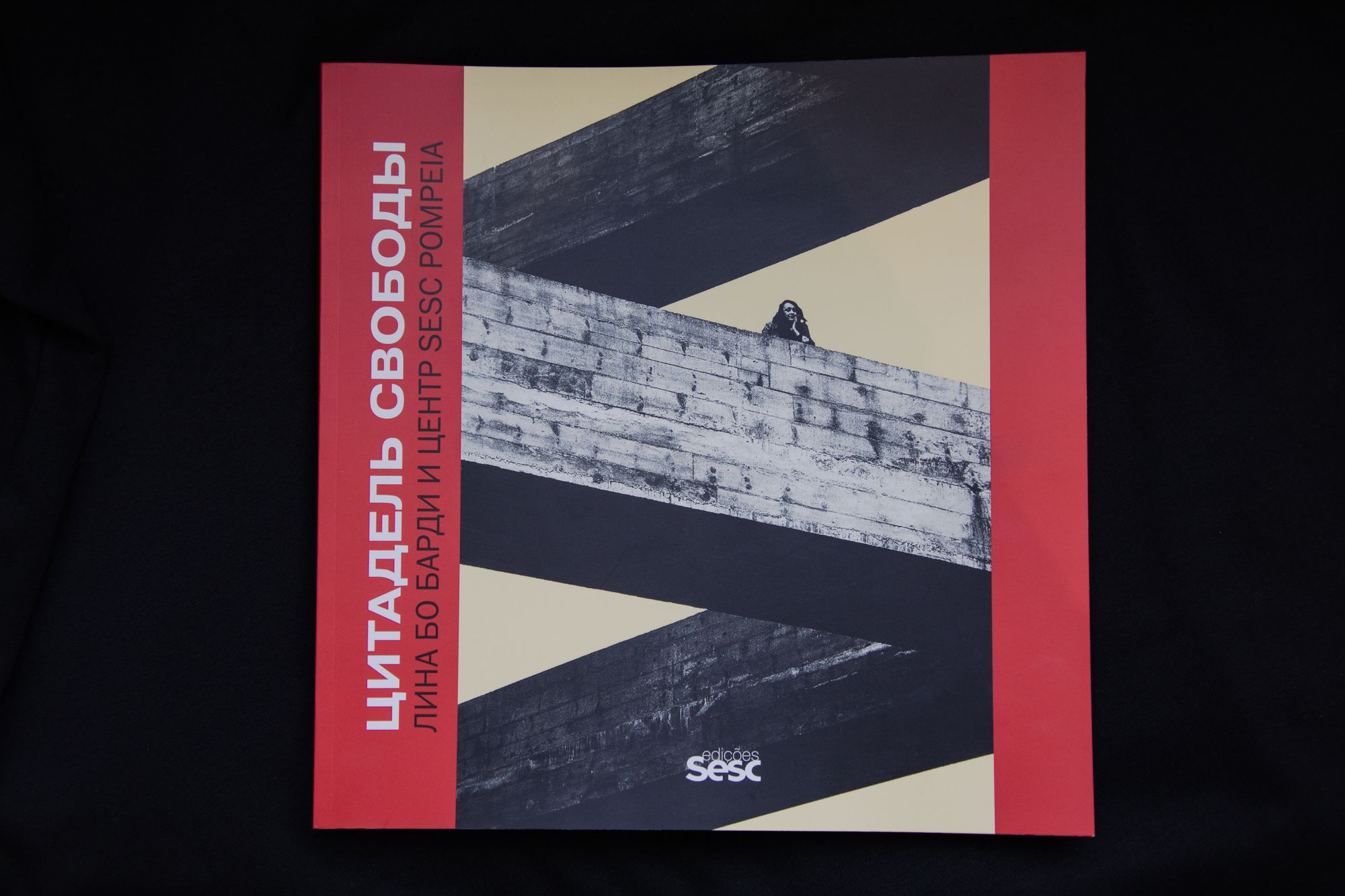
Citadel of Freedom: Lina Bo Bardi and Sesc Pompéia
A special edition prepared in collaboration with the Brazilian institution Sesc São Paulo and dedicated to one of Lina Bo Bardi’s key architectural projects.
The publication accompanies If the Walls Became Water. Lina Bo Bardi exhibition at the


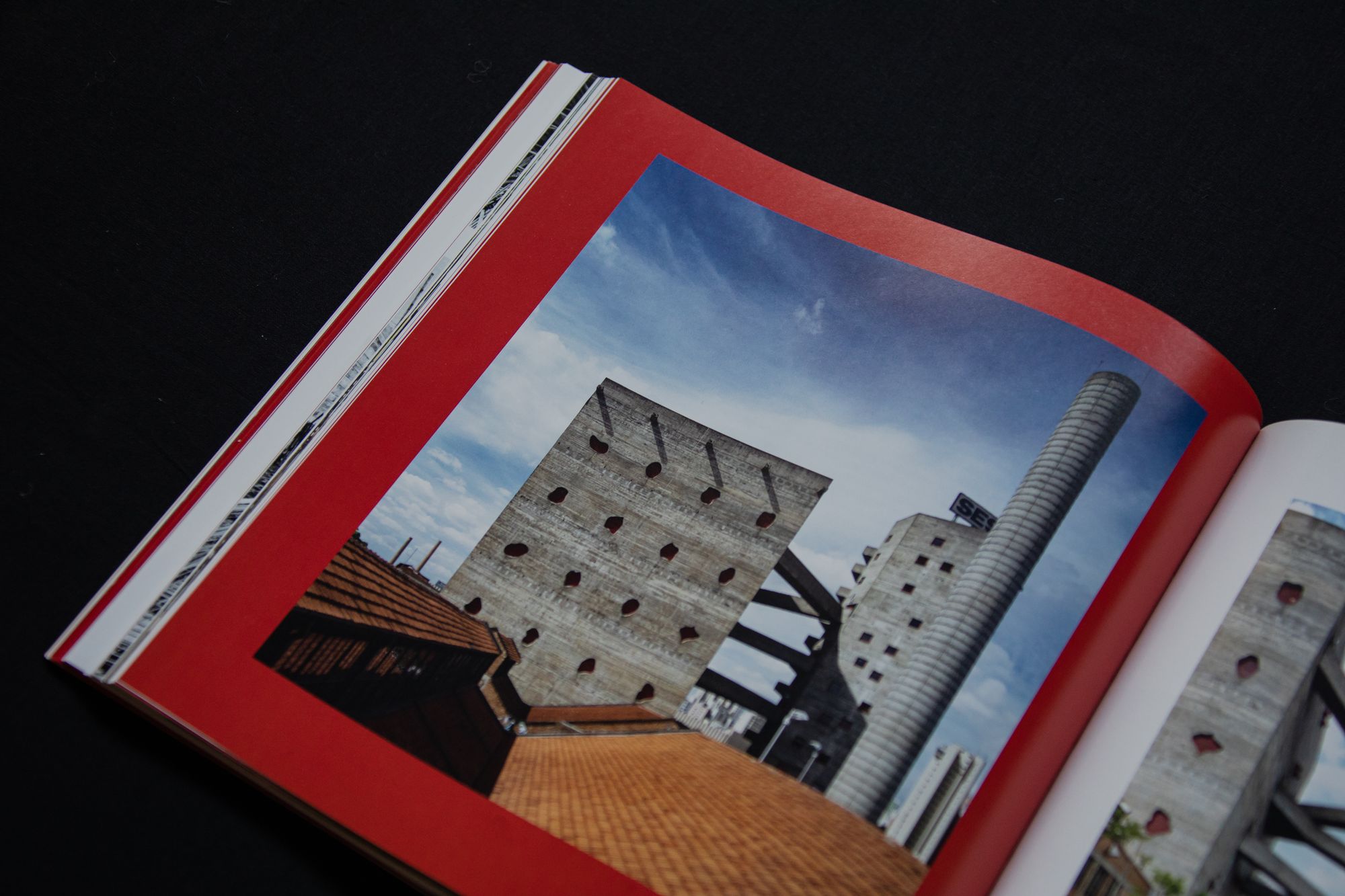
All photos: Anya Todich
Lina Bo Bardi (1914–1992) was an Italian–Brazilian architect, designer, curator, and theorist, and one of the central figures of Latin American modernism. Among her notable works are the Glass House (Casa de Vidro, 1951), the building of the São Paulo Museum of Art (MASP, 1957–1968), the multifunctional Sesc Pompeia centre (1982) in São Paulo, and the cultural complex Solar do Unhão in Salvador (1959–1963).
What, after all, does it mean to undertake something no one has done before, something no one has dared to attempt? Yet it was neither folly nor a youthful dream. More than my own determination and the assertiveness of my fellow young curators, this wish reflected Sesc’s already formed ambition to surpass itself, to open a new era for the organisation with the Pompeia centre, and to establish a fundamentally different paradigm in the sphere of social and cultural engagement.
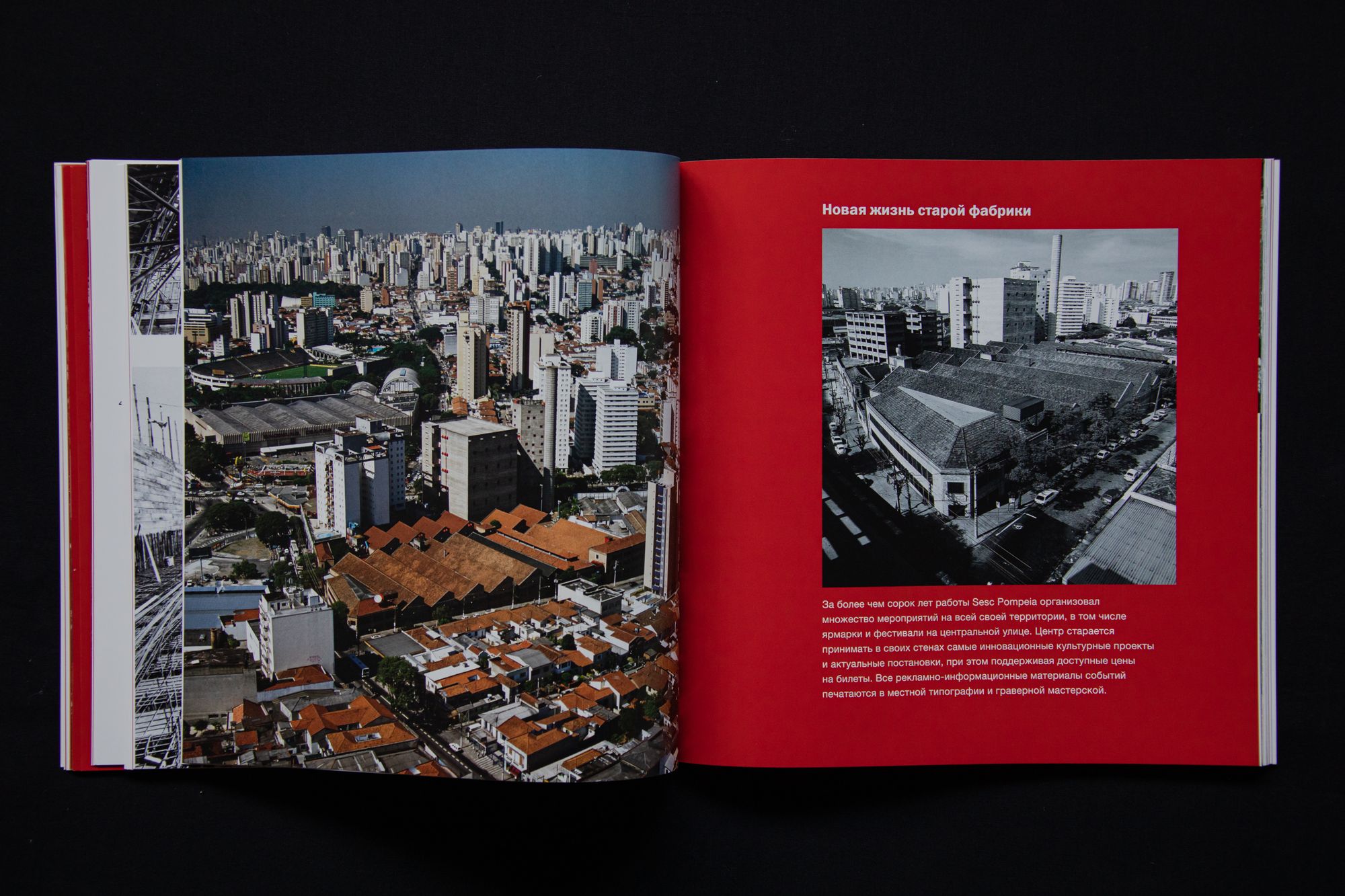
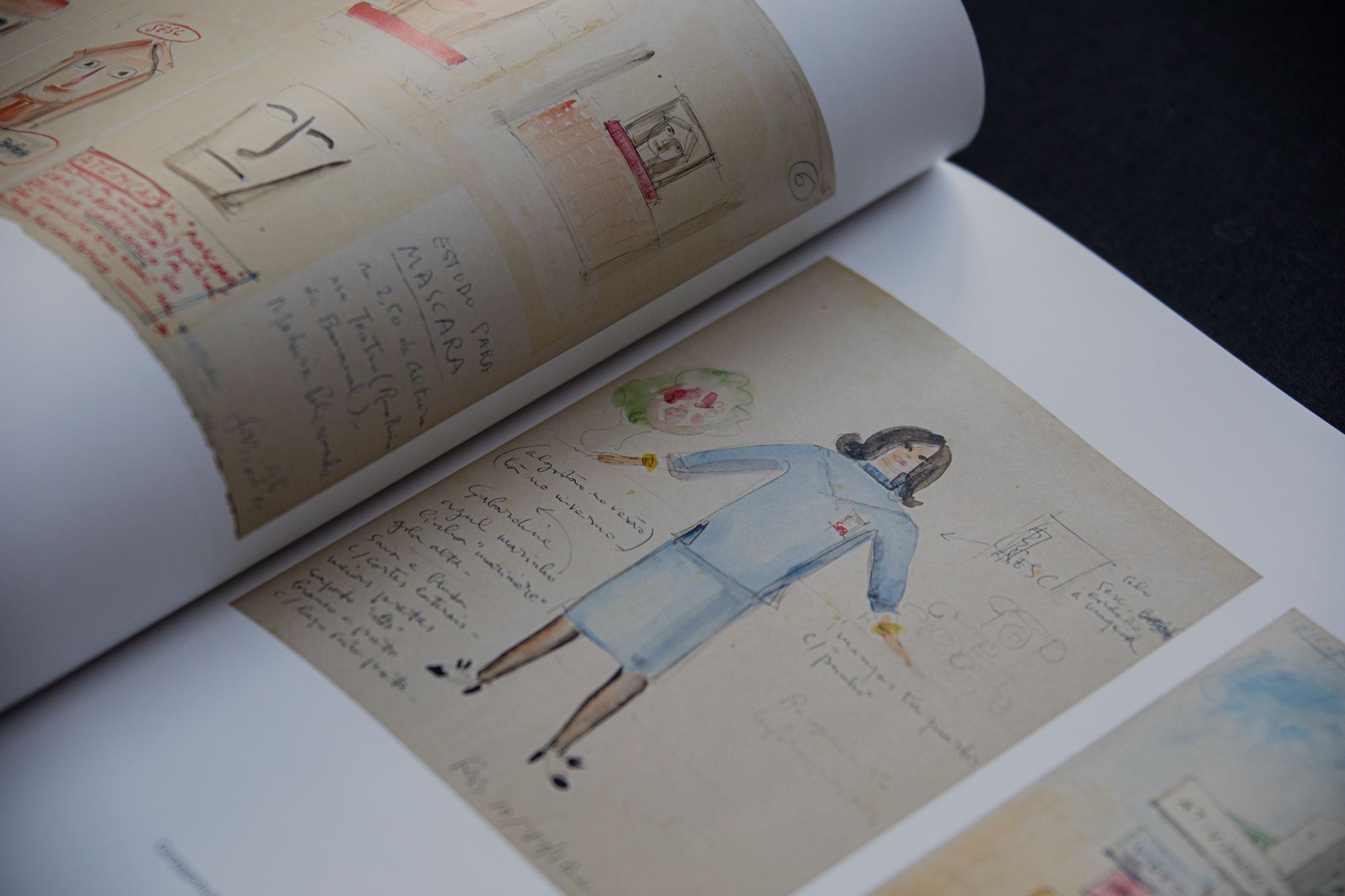
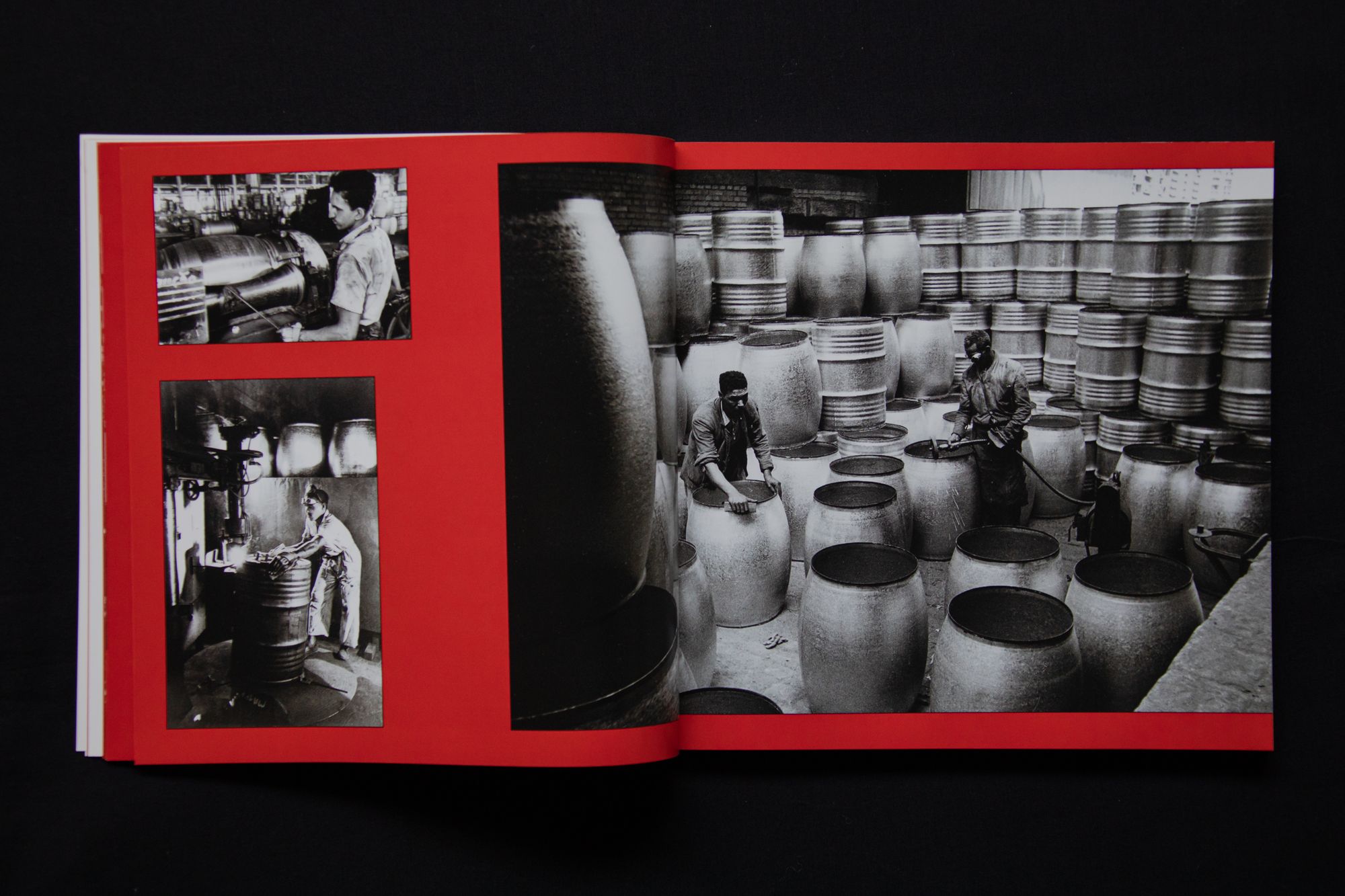
Lina’s colleagues who worked with her during the construction gathered in this book their personal recollections, press publications from the 1980s–1990s devoted to the project’s core ideas and Bo Bardi’s methods, Lina Bo Bardi’s own text about the Pompeia factory, a contribution by the current director of Sesc São Paulo, as well as architectural sketches, drawings, archival images, and contemporary photographs of the building. For the joint edition,
Compilers
André Vainer
Marcelo Ferraz
Editors
Dmitry Beglyarov
Daniil Beltsov
Ekaterina Volkova Americo
Russian translation
Dmitry Beglyarov
Olga Grinkrug
Graciela Schneider Urso
Design and layout
Viktor Nosek
Ilyas Lochinov